Sleep Apnea | Allure Blog
REM Sleep Behavior Disorder
REM sleep behavior disorder (RBD) is a condition characterized by abnormal behaviors during the rapid eye movement sleep stage due to a lack of muscle paralysis or atonia. This allows individuals to physically act out vivid dreams by talking, shouting, punching, kicking, jumping, and more complex motor behaviors.
Paroxysmal Nocturnal Dyspnea
Paroxysmal nocturnal dyspnea refers to episodes of severe shortness of breath that awaken someone from sleep. The term “paroxysmal” indicates the sudden onset of these symptoms. PND typically begins about 1-2 hours after initially falling asleep.
Apnea-Hypopnea Index (AHI)
Sleep apnea is a common sleep disorder characterized by repeated pauses in breathing during sleep. These breathing pauses, called apneas and hypopneas, can last 10 seconds or longer and occur 5-30+ times per hour. To measure sleep apnea severity, sleep specialists use a key metric called the Apnea-Hypopnea Index (AHI).

Hypopnea vs. Bradypnea
Normal breathing for an adult at rest involves 12-20 breaths per minute. This respiratory rate, along with depth of breathing, helps determine if respiration is normal or abnormal. Slower or faster rates, as well as shallow or deep breathing, signify potential problems.
Circadian Rhythm Sleep Disorders
Our internal body clocks or circadian rhythms regulate various physiological processes and behaviors, including the timing of sleep. Disruptions to these circadian rhythms can severely impact the quantity and quality of sleep and result in excessive daytime sleepiness.
Sleep Apnea Disorder: What You Need to Know
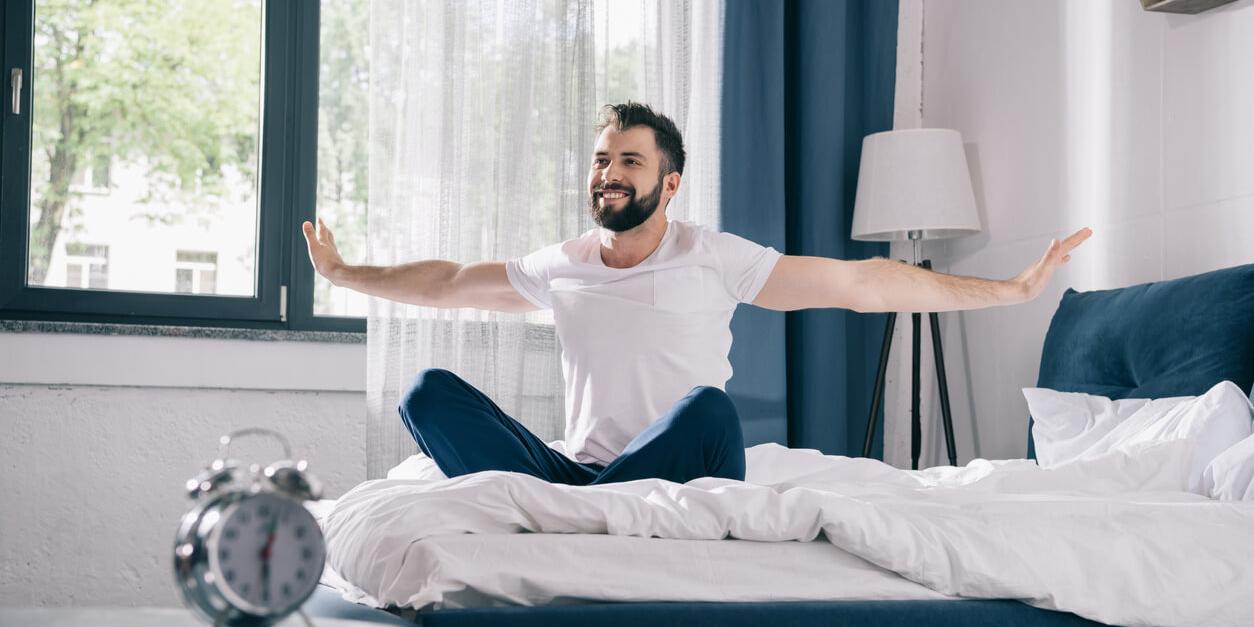
If this sounds familiar, you may be one of the estimated 22 million Americans suffering from sleep apnea. This chronic disorder impedes breathing during sleep, depriving the body of restorative rest and leaving you drained and sleepy throughout the day.

Sleep Disorders Psychology
Sleep disorders involve not just physical symptoms, but also complex psychological and behavioral factors. Understanding the psychology underlying sleep disturbances can lead to better diagnosis, management, and treatment. This article will provide a comprehensive look into the mental health aspects of sleep disorders and their impacts on overall wellbeing.
Hypopnea vs. Hypoventilation: Understanding Sleep Disorders
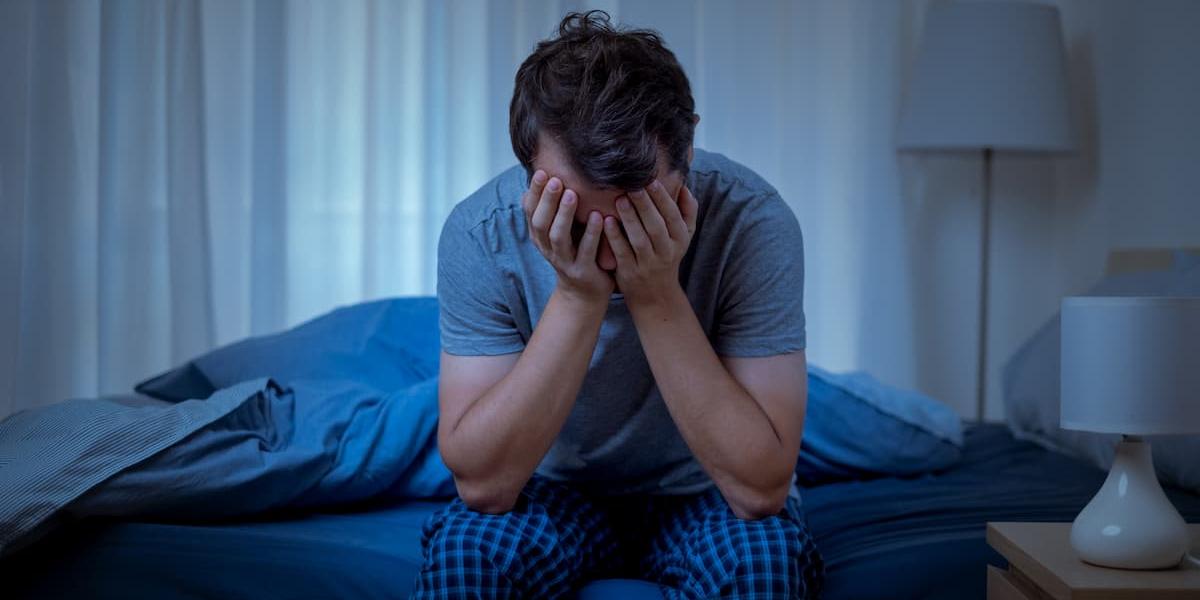
Hypoventilation occurs commonly with obesity, chronic pulmonary disorders like COPD, and neuromuscular diseases impacting respiratory muscles. It can happen while awake or during sleep.
Obstructive Sleep Apnea-Hypopnea Treatment
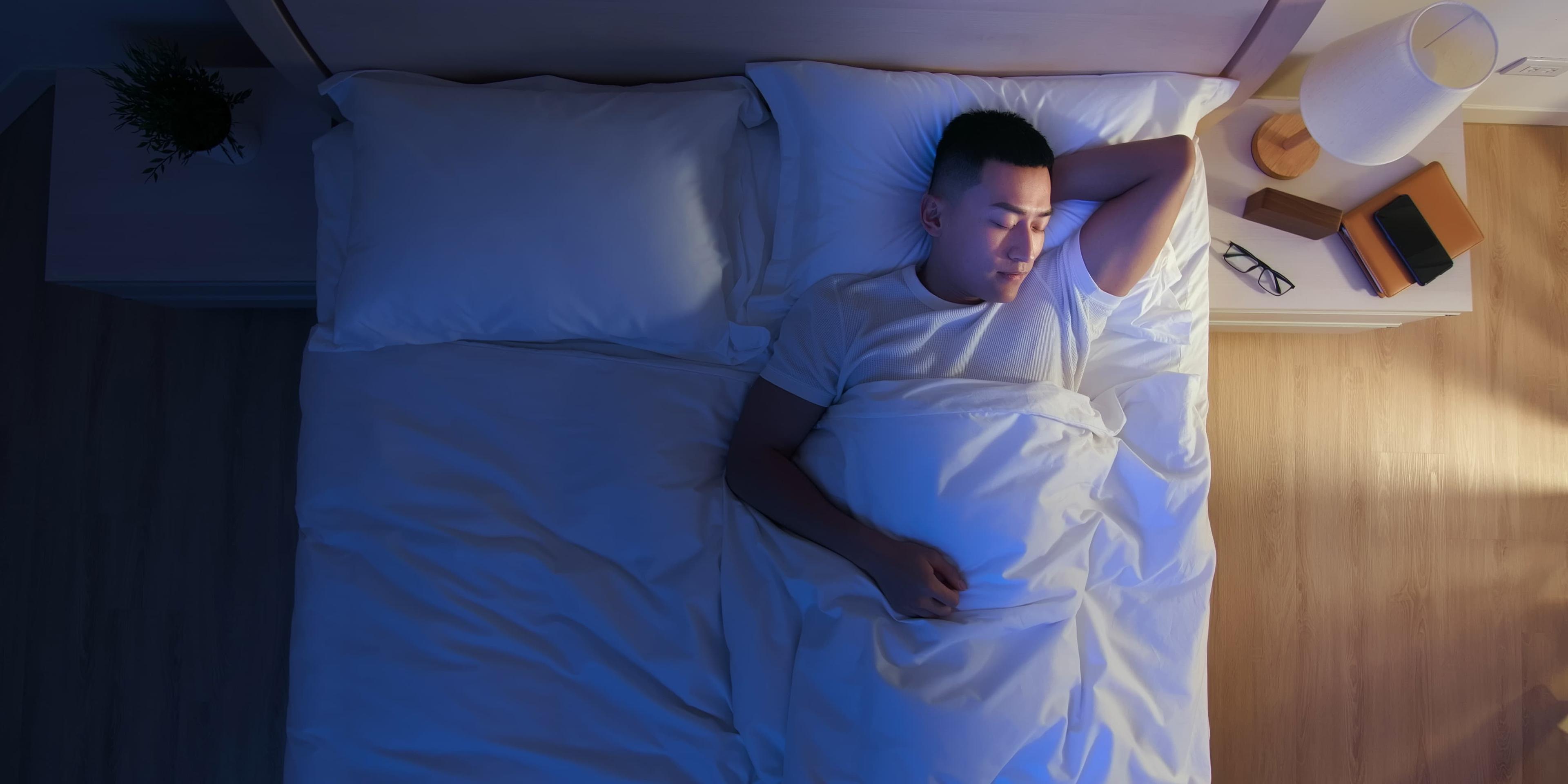
Obstructive sleep apnea-hypopnea syndrome (OSAHS) involves repetitive collapse of the upper airway during sleep, leading to reduced or paused breathing.

Rera vs Hypopnea: A Guide to Respiratory Event Classification
Sleep disordered breathing involves intermittent reductions in airflow or respiratory effort during sleep. These disturbances are characterized as apneas, hypopneas, or respiratory effort-related arousals (RERAs).
Central Hypopnea Demystified: Key Insights and Management Strategies
Central hypopnea occurs when there is reduction in the neural drive to breathe during sleep. This leads to decreases in tidal volume and respiratory rate. Several factors can impair the brain's regulation of breathing or cause instability in ventilatory control

Clear Apnea vs Hypopnea: Understanding Sleep Disordered Breathing Events
Central apneas often occur following arousal from sleep and are associated with REM sleep. The pattern of breathing in central apnea is cyclical with ventilatory drive returning periodically. Blood oxygen levels typically drop during the events due to lack of airflow.
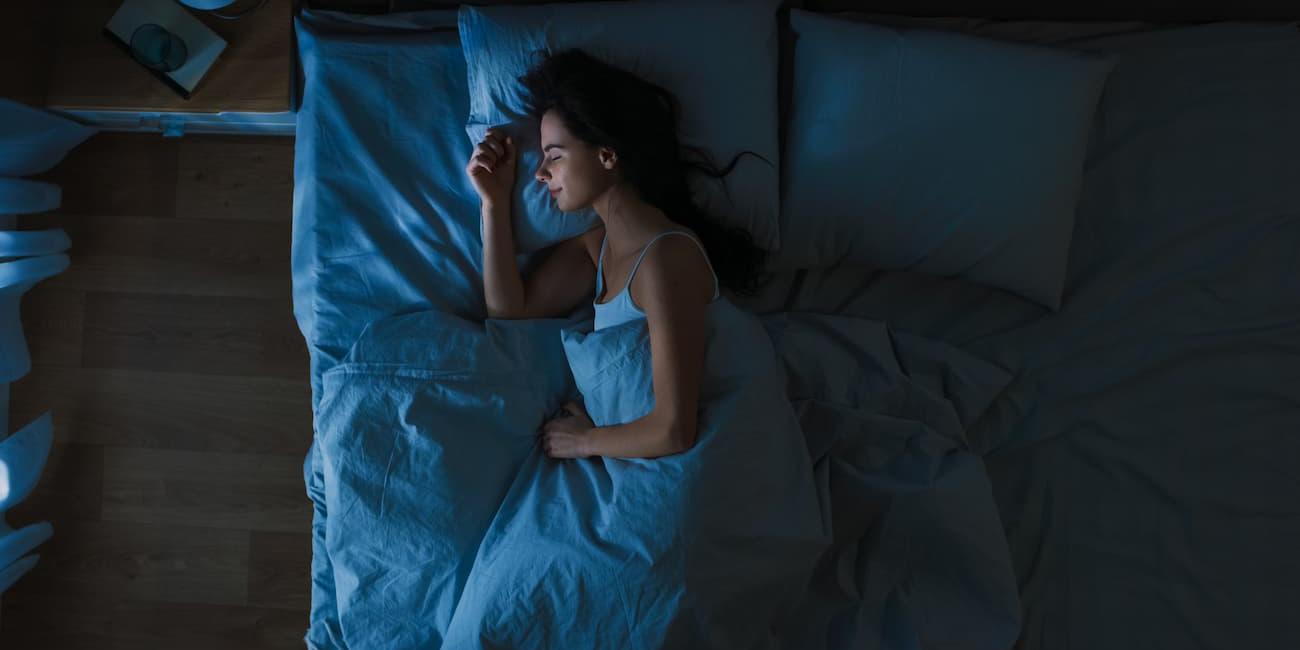
Hypopnea Treatment: Expert Guide to Managing Hypopnea for Restful Sleep
Difficulty breathing during sleep, or sleep-disordered breathing (SDB), prevents restorative rest. Among SDB conditions, hypopnea causes frequent disruptive arousals and impaired sleep quality.

Short sleep and weight gain
Millions of Americans would like to lose weight, and there are tried and true methods that work to some degree but are not so good for many people. If we could find a way to not gain extra weight in the first place, problem solved, right?
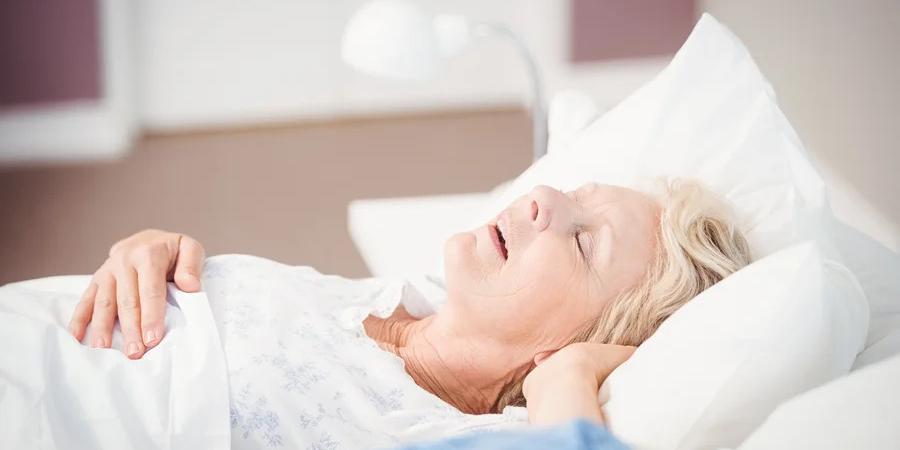
Snoring, so what?
Snoring may be loud and disruptive to your bed partner, but how does it affect you? Sleep-disordered breathing (SDB) is a term that includes habitual snoring and ranges to obstructive sleep apnea. Obstructive sleep apnea is when you have an obstruction of the airway that cuts off the air supply for at least 10 seconds, reduces your blood oxygen by at least 3%, and at least 5 times per hour.

My NightLase®
Sleep is necessary for health and well-being, and we are now learning that good sleep is associated with longevity and good health. Snoring is associated with poorer sleep, not only for the person snoring but frequently for their bed partner as well.
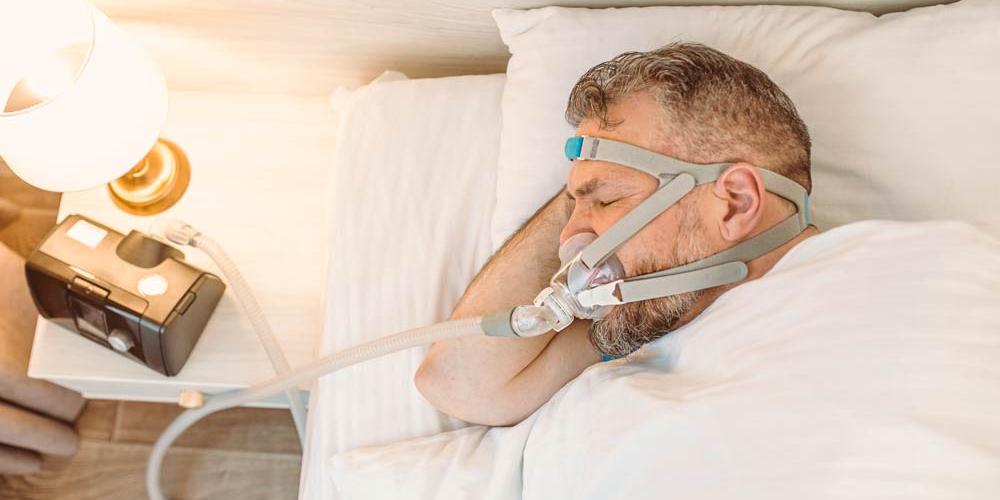
How Disordered Sleep Leads to Weight Gain
It is estimated that about half of the American adult population has some degree of sleep apnea. We know that sleep disorder leads to weight gain, and weight gain leads to worsening sleep apnea. Dr. Charles Mok of Allure Medical talks about NightLase® and how it can treat sleep apnea and in turn, help people lose weight and lead healthier lives.
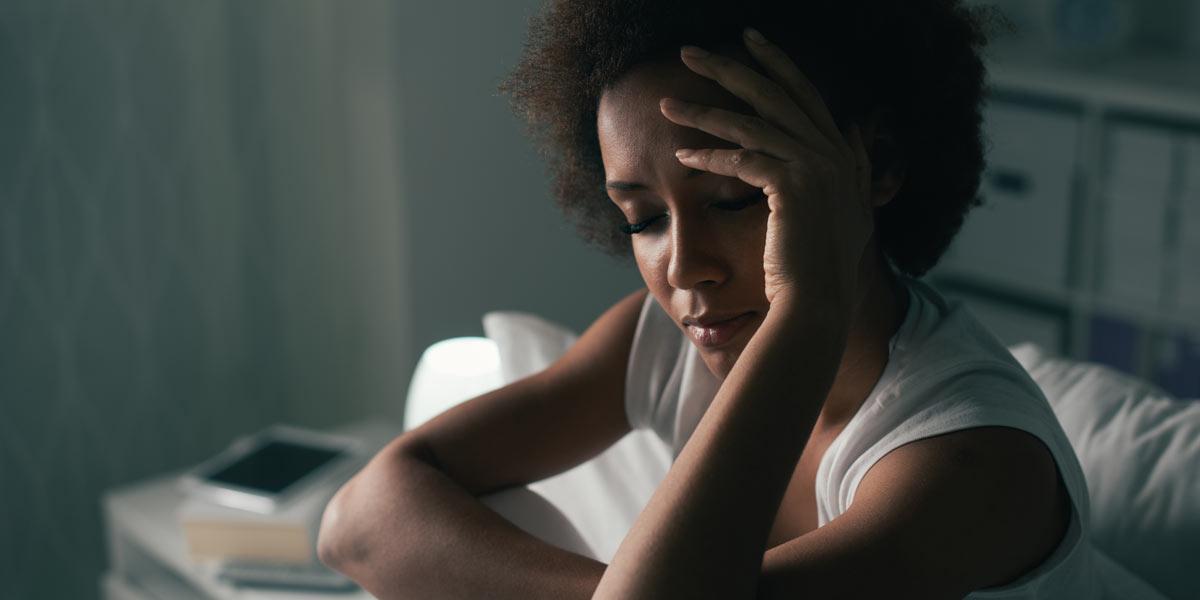
Sleep Disorders: The 21st Century Epidemic
50-70 million US adults have a sleep disorder, and the most severe form of sleep disorder, obstructive sleep apnea, is detrimental to your health and longevity. Studies on a new laser treatment, NightLase®, have shown that sleep apnea is reversible.
Is snoring bad for your health
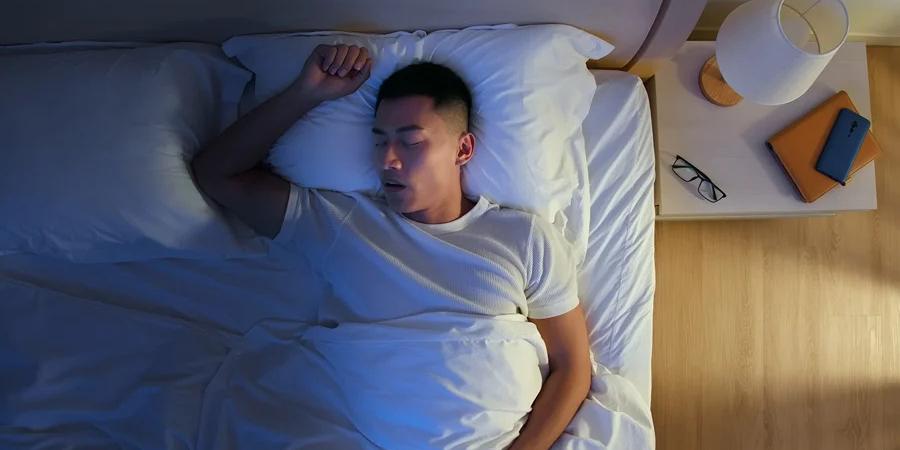
Snoring can be annoying for the bed partner, and unknown to the offender. Other than the offensive sound of snoring, why worry?